Final workshop of the DODOLA project
Advanced solutions for water supply system management

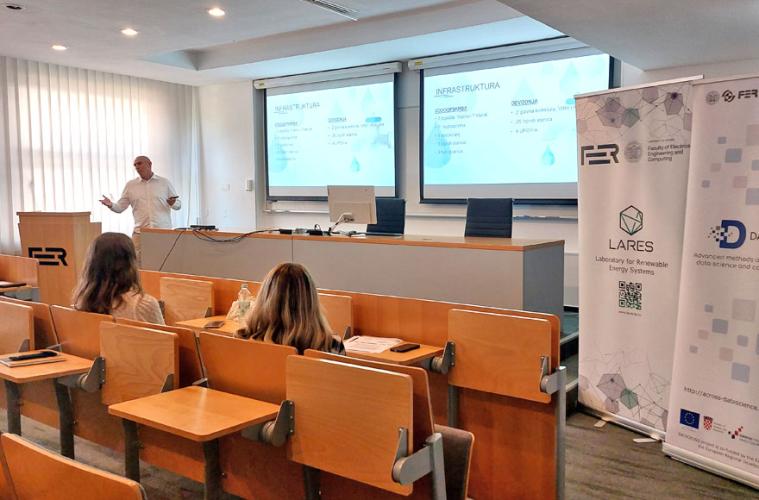
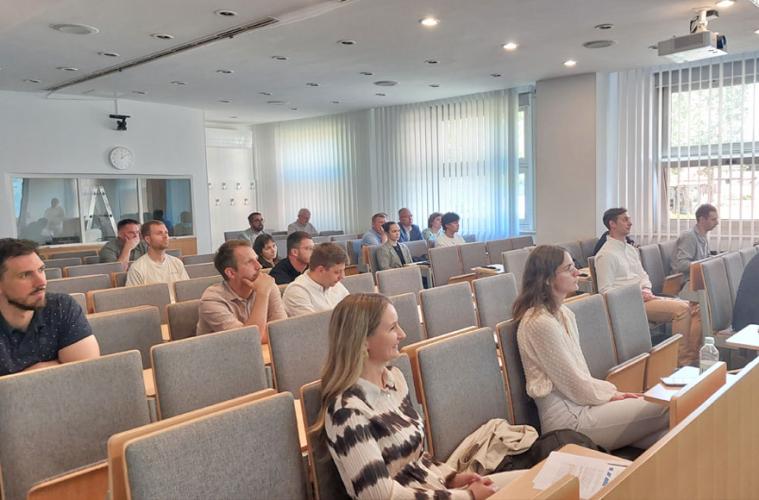
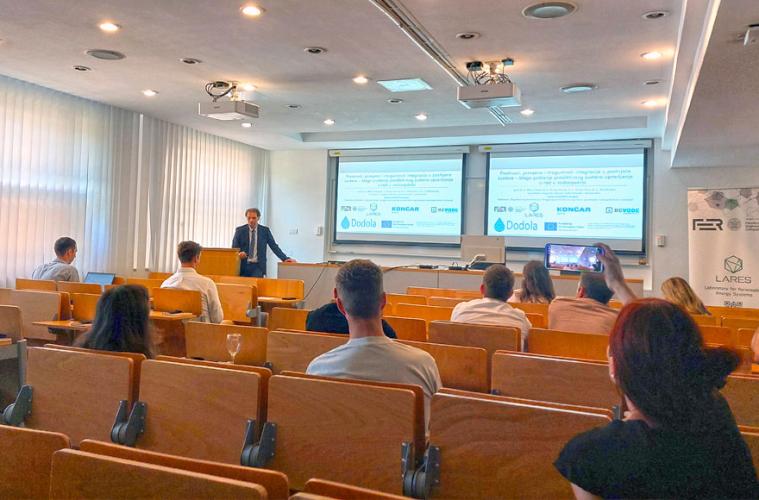
The final workshop of the DODOLA – Research on Predictive Control for Efficient and Flexible Operation of Water Supply Systems project was held at the University of Zagreb Faculty of Electrical Engineering and Computing (FER). The project is implemented under the Targeted Scientific Research (CZI) programme and is co-funded by the European Union. Organised in cooperation with the DATACROSS project under the title “Digital Implementation and Data Integration for Advanced Water Supply System Management”, the workshop brought together representatives from academia, industry and the utility sector to present the project results and discuss the practical application of the developed technologies.
During the workshop, research results were presented in the areas of water demand forecasting, identification of water losses in distribution networks, and the development of predictive control and flexibility methods for water supply systems. Particular emphasis was placed on the digital implementation of the developed algorithms and their integration into the existing infrastructure of the City of Križevci water supply system. A demonstration environment integrating data, models and visualisations developed within the project was presented.
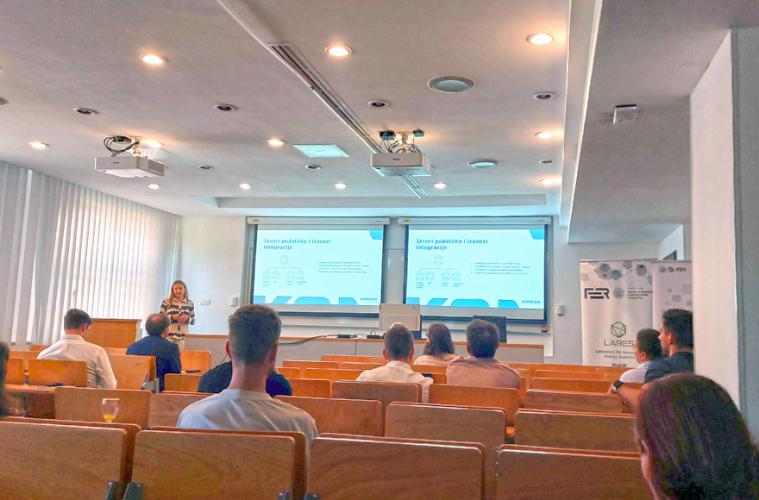
KONČAR – Digital presented the digital implementation of the project results through the PROZA Station SCADA platform. The demonstration environment showed how the existing platform can be extended with new modules for data integration, analytical model integration and visualisation of their results. Participants were introduced to functionalities for monitoring water supply system operation, including water demand forecasting, reservoir status monitoring, pumping station operation and key system efficiency indicators, demonstrating the platform’s potential for future deployment in advanced water management solutions.
The workshop concluded with a discussion on further development opportunities and the implementation of the developed solutions in real water supply systems. Participants highlighted the importance of cooperation between academia, industry and end users in developing advanced digital technologies that can contribute to more efficient management of critical infrastructure and the sustainable use of water resources.